CONTINUE WITH THE INVESTOR CALL

Visit TheInvestorCall.com

SPECIAL EDITION • SEPTEMBER 16, 2026

TRUMP WANTED
LOWER RATES.
NOW HIS FED CHAIR
MAY RAISE THEM.

KEVIN WARSH'S FIRST REAL TEST

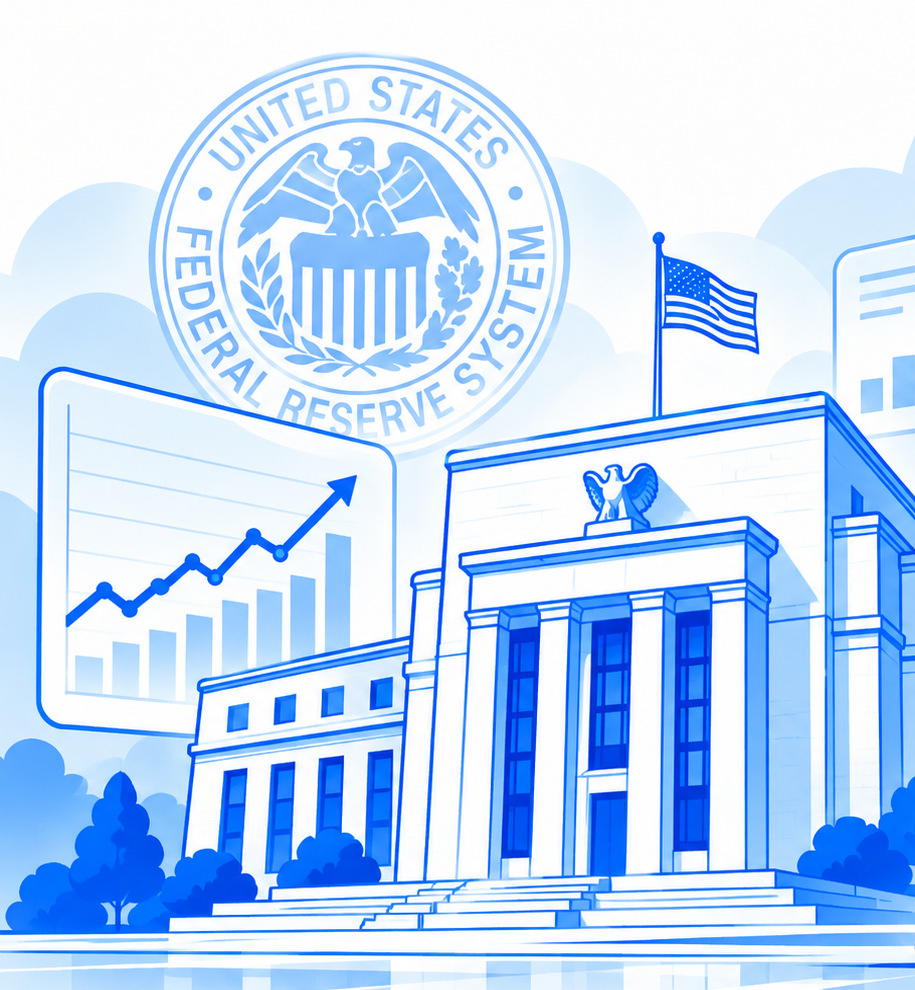
 Federal Reserve building, policy chart and press podium; conceptual illustration.
 

TRUMP PICKED HIM.
NOW WATCH WHAT HE DOES.

FOUR MONTHS AGO, THIS LOOKED DIFFERENT.

Kevin Warsh arrived at the Federal Reserve with an unusual résumé: Wall Street, Washington, a previous term as a Fed governor, Morgan Stanley, the George W. Bush White House, the 2008 financial crisis, Stanford - and ultimately Donald Trump's choice to succeed Jerome Powell.

Trump wanted change at the Fed. Warsh represented change. But Warsh also inherited something no president completely controls: the economy. Inflation remains above target, energy costs have surged and long-term Treasury yields have pushed higher. Markets are now heavily positioned for a quarter-point increase, a move that would take the target range to 3.75%-4.00% if delivered.

25

BASIS POINTS


3.75%-4.00%

target range • if delivered


25 BASIS POINTS SOUNDS SMALL. WHEN THE FED MOVES THE PRICE OF MONEY, THE EFFECT TRAVELS THROUGH TRILLIONS OF DOLLARS OF ASSETS.


Mortgages, corporate borrowing, Treasuries, currencies, bank financing, technology valuations and consumer credit all feel the consequences. But the number is only half the story. The other half is Warsh: does he signal patience after one move, or leave the door open to more tightening?

TRUMP CHOSE THE CHAIRMAN.
TODAY, THE ECONOMY TESTS HIM.

The $100 problem.

This did not start at the Fed.

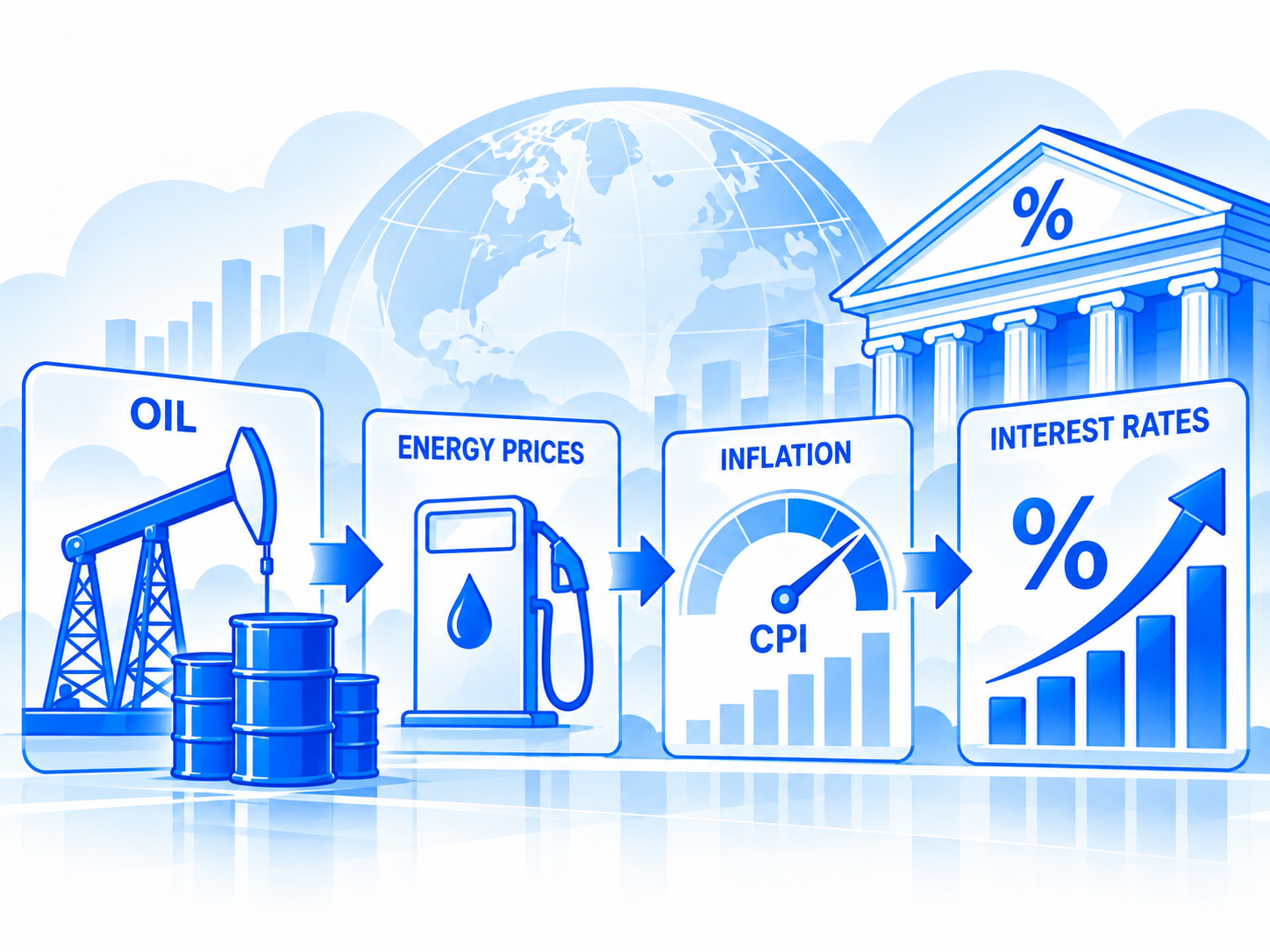
The Federal Reserve does not move interest rates simply because Wall Street wants a move. It reacts to the economy. And one of the most important variables in this meeting is energy. Oil around or above the psychologically important $100 level becomes more than an energy-market story - it can become an inflation story.

Conceptual links between oil, fuel costs, inflation and interest rates.
 

OIL

COSTS

INFLATION

FED

RATES


Oil affects transportation, and transportation touches almost everything: food, packages, raw materials, aviation and industrial supply chains. Companies must decide how much of those higher costs they absorb and how much they pass on. The relationship is not mechanical - oil is only one part of inflation - but it shows why the policy picture can change quickly.

SAME RATE DECISION. COMPLETELY DIFFERENT MESSAGE.

"WE ACTED.
NOW WE WATCH."


"INFLATION REMAINS
A PROBLEM."


That is why the 2:30 p.m. ET press conference may matter as much as the 2:00 p.m. decision. Warsh's language on inflation, growth, energy and future policy will help markets judge whether one move is enough - or whether the Fed sees a longer tightening path.

2:00 p.m.

ET • DECISION


2:30 p.m.

ET • PRESS CONFERENCE


DON'T JUST WATCH THE RATE.
WATCH THE MAN EXPLAINING IT.

Follow the money.

The Fed moves one rate.
The market does not move as one.

A changing rate environment does not affect every company in the same way. Instead of reducing the day to a single question - whether the S&P 500 closes up or down - look beneath the index and ask which business models are most exposed to the new environment.

Oil pump and production facilities. 

XOM

ENERGY

If elevated oil prices persist, upstream economics can improve. The real question is durability: oil prices, production volumes, refining, capital spending and cash generation all matter.

 
Banking and financial-services buildings. 

JPM

RATES

Banks experience rates differently from growth stocks. Watch net interest income, deposit costs, loan demand, credit quality, consumer health and the yield curve.

 
Custom silicon and connected computing infrastructure. 

AVGO

AI INFRASTRUCTURE

The Fed can change the discount rate; it cannot simply switch off the AI buildout. Watch networking, custom silicon, data-center demand and whether growth can outrun valuation pressure.


WHO GETS PAID TO BUILD
THE INFRASTRUCTURE?

SEMICONDUCTORSNETWORKINGPOWERCOOLINGDATA CENTERSCONNECTIVITY
 

THREE SECTORS. THREE DIFFERENT MECHANISMS. ONE FEDERAL RESERVE.

CONTINUE WITH THE INVESTOR CALL

Visit TheInvestorCall.com

The special situation.

Not every story has to wait for the Fed.

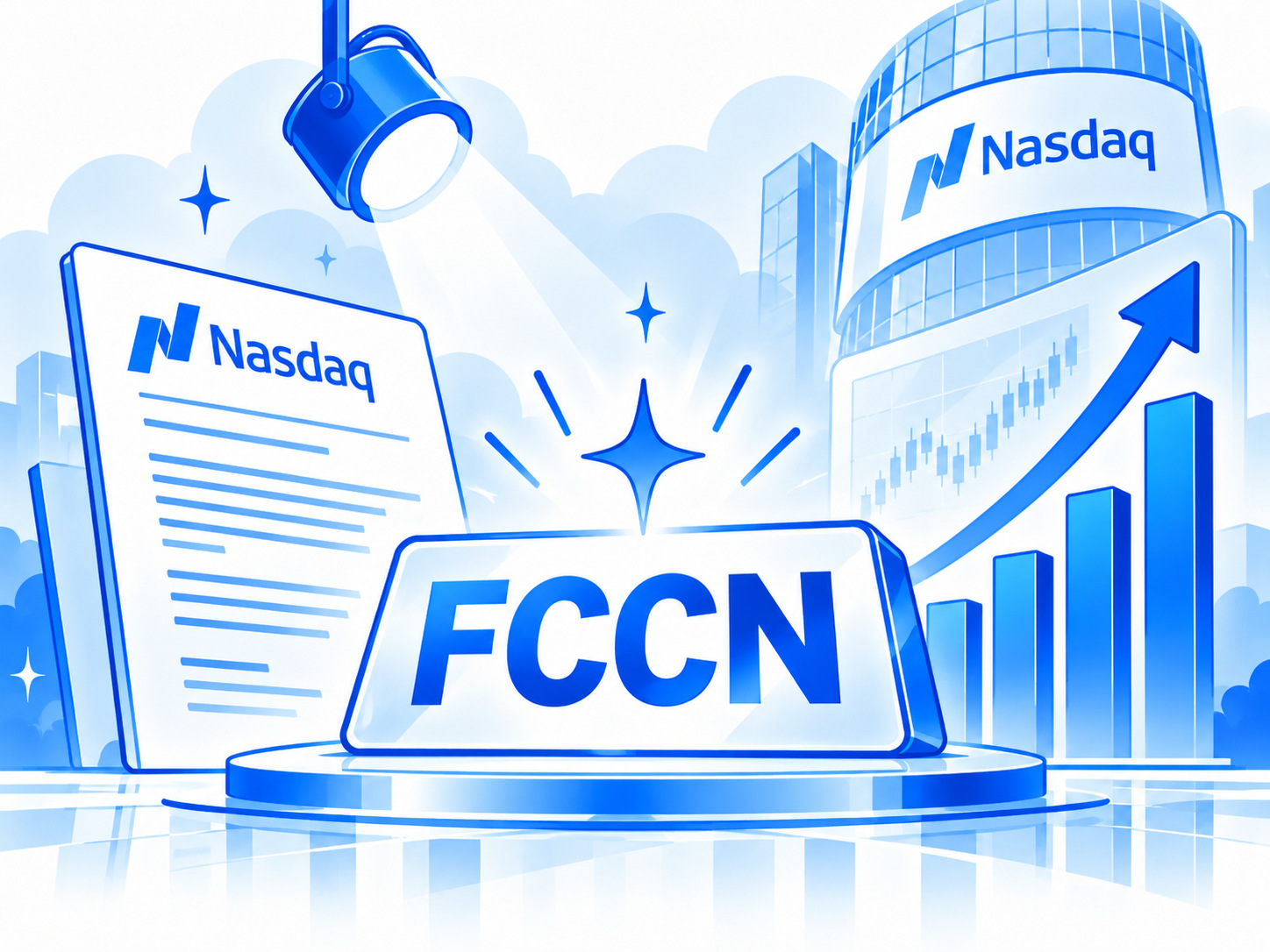
Spectral Capital / FCCN is a different type of story: a company-specific catalyst. FCCN currently trades on OTCQB. Spectral has applied to list its common stock on the Nasdaq Capital Market under the same proposed symbol, FCCN. The application is pending; approval is not guaranteed.

TODAY

OTCQB • FCCN


PROPOSED NEXT STEP

NASDAQ • FCCN

 
Concept illustration of a proposed Nasdaq listing; not evidence of approval.

The application is pending; approval is not guaranteed.

The more important question is what sits underneath the exchange story. Spectral reported $318.3 million of Q2 2026 revenue and $646.8 million for the first half. Gross profit rose 50% sequentially to $3.3 million, while operating loss narrowed from $3.0 million in Q1 to $1.9 million in Q2. Those figures make margins, cash flow, integration and execution the real operating scoreboard.

$318.3M

Q2 2026 REVENUE


$646.8M

FIRST-HALF REVENUE


$3.3M

GROSS PROFIT


+50%

gross profit • sequentially


OPERATING LOSS

Q1

$3.0 million


Q2

$1.9 million


NASDAQ CAN BE A CATALYST.
IT CANNOT REPLACE THE UNDERLYING BUSINESS.


An uplisting can potentially broaden visibility, investor access and liquidity. But the SEC filing is explicit: the company has applied, there is no assurance the application will be approved, and the related offering will not proceed if Nasdaq does not approve the listing.

TRADINGVIEW / DATA PLATFORMS

A proposed ticker can appear in reference data before exchange trading begins. That is not proof of a completed uplisting. For publication, the verified status should remain OTCQB:FCCN until Nasdaq and the company confirm otherwise.

Tonight changes the map.

Tomorrow, the work continues.

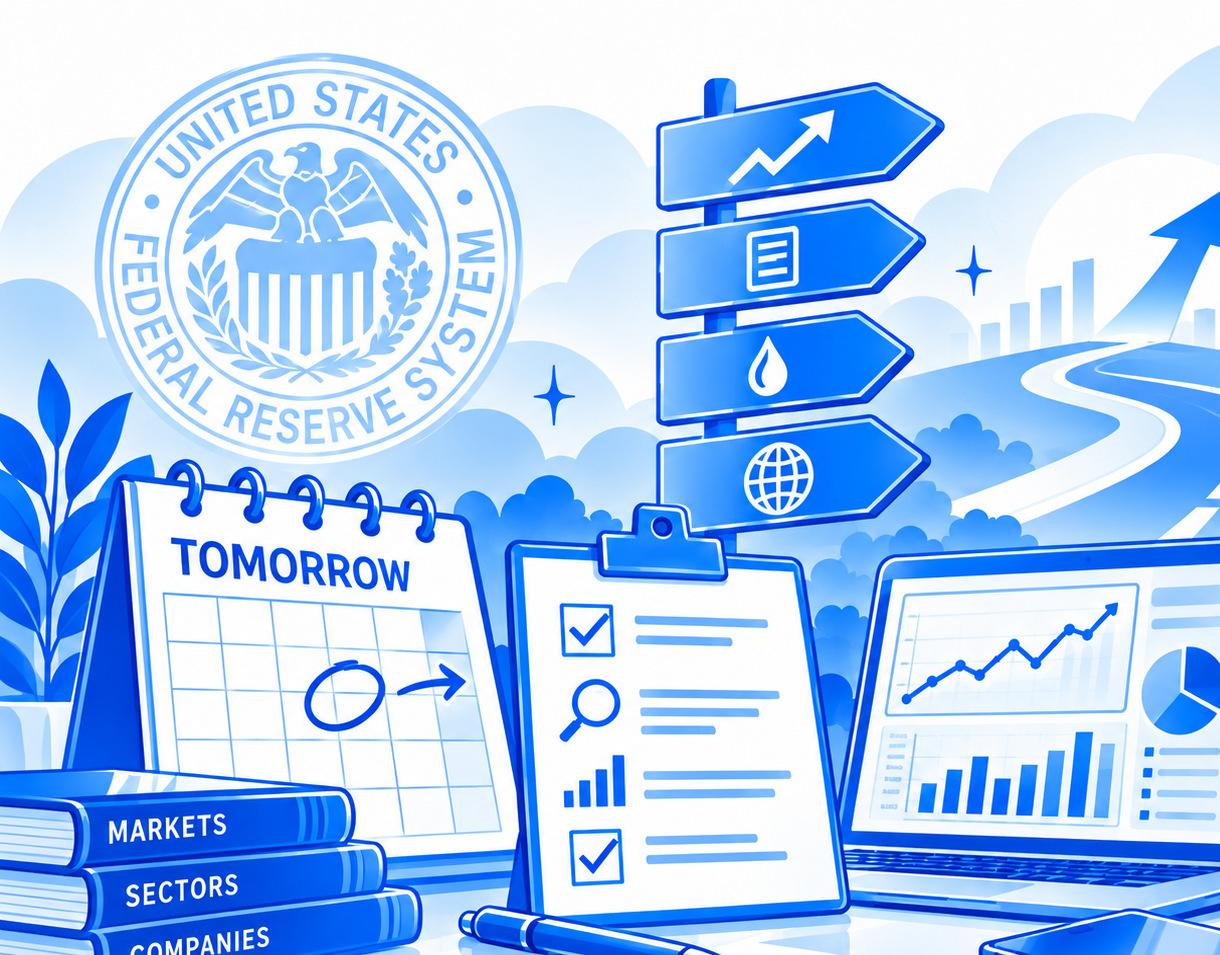
Research workspace, market charts, calendar and decision signpost.

Donald Trump wanted lower rates. He selected Kevin Warsh. Warsh inherited the Federal Reserve - and then the environment changed. Energy moved, inflation remained stubborn, bond yields reacted and market expectations shifted. Now the man selected to change the Fed faces the most consequential policy test of his young chairmanship.


A FED DECISION DOES NOT MAKE EVERY COMPANY GOOD OR BAD. IT CHANGES THE ENVIRONMENT IN WHICH THOSE COMPANIES OPERATE.


XOM

ENERGY


Oil • production economics • cash generation


JPM

RATES


Margins • deposits • credit • yield curve


AVGO

AI INFRASTRUCTURE


AI capex • networking • semiconductors


FCCN

SPECIAL SITUATION


Execution • margins • cash flow • Nasdaq process


KEVIN WARSH'S FIRST REAL TEST

Trump put him in the chair. The economy changed the circumstances. The market has made its expectations clear. Now Warsh gets to answer. When the cameras turn on, investors should not listen only for '25 basis points.' They should listen for the sentence that comes next.

DON'T JUST WATCH THE MARKET.
UNDERSTAND WHAT IS MOVING IT.

 Original Investor Call brand mascot
 

www.theinvestorcall.com

CONTINUE WITH THE INVESTOR CALL

Visit TheInvestorCall.com