|
 |
THE INVESTOR CALL / OCTOBER 2026
THE NEXT AI INFRASTRUCTURE STORY HYDROGEN JUST | 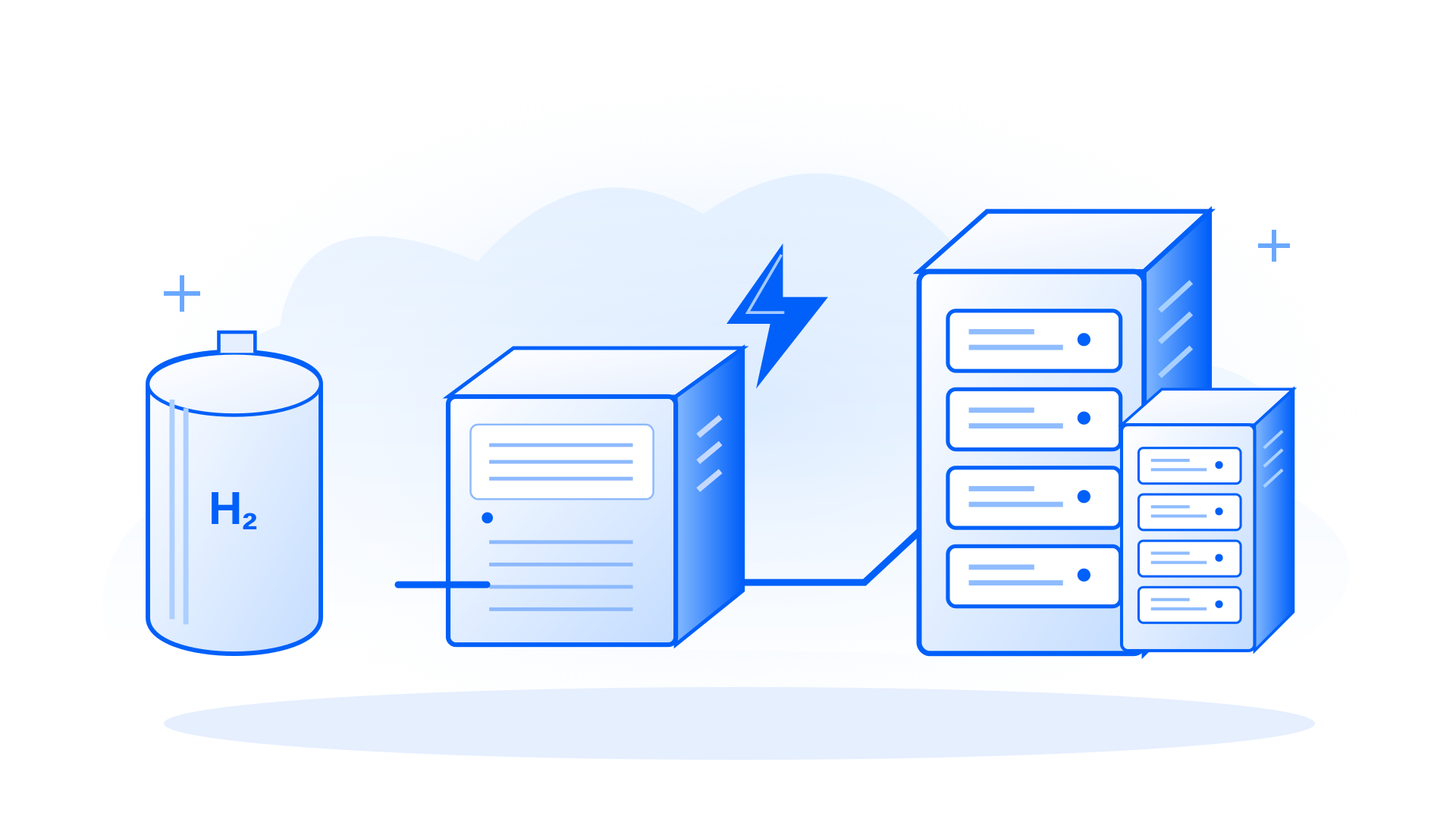 |
The AI boom has created an enormous new problem: power. Hydrogen and fuel-cell technology may finally have found the market they were waiting for.
GPU | DATA CENTER | POWER | HYDROGEN? |
Everyone watched the chips. We followed the electricity. |
01 / THE DISCOVERY THE NEXT GREAT AI | 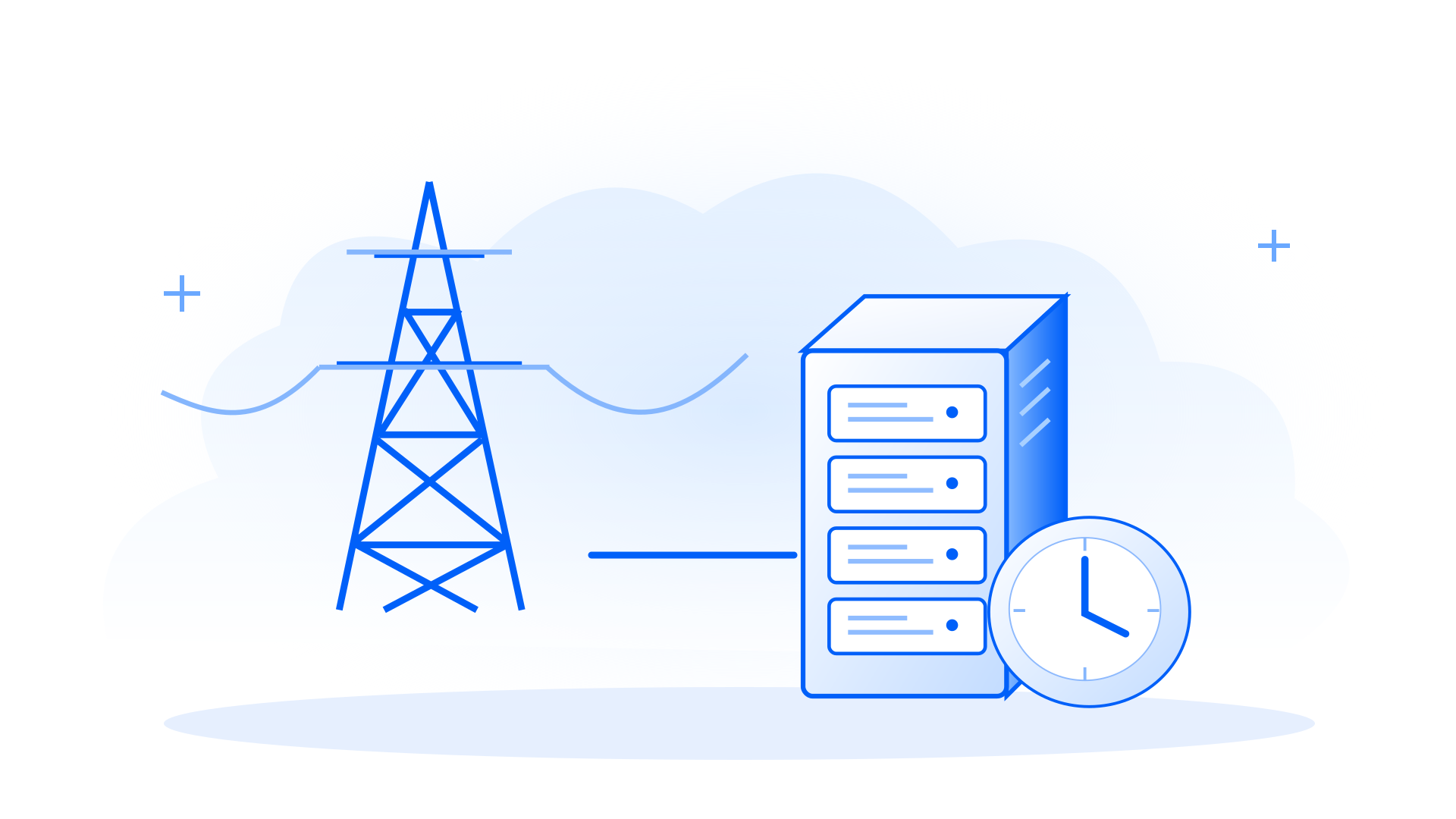 |
For years, the market followed the chip race: NVIDIA, AMD, Broadcom, Microsoft, Oracle, Meta and Amazon. But underneath that race, another one has begun. Every GPU needs electricity. Every AI rack needs electricity. Every hyperscale data center needs enormous quantities of it.
945 TWh by 2030 IEA base case for global data-center electricity consumption - more than double today's level. |
The problem is speed. A new model can be released in months. A data center can be built in a few years. The energy system moves differently: generation, transmission, substations and grid connections require long planning cycles and major capital.
THE NEW AI METRIC TIME-TO-POWER. |
If billions of dollars of compute are waiting for electricity, time itself becomes an economic variable.
Sources: IEA, Energy and AI (2025/2026 update): 945 TWh by 2030; ~20% of planned data-center capacity at risk of grid delay.
02 / ENTER HYDROGEN HYDROGEN DOES NOT | 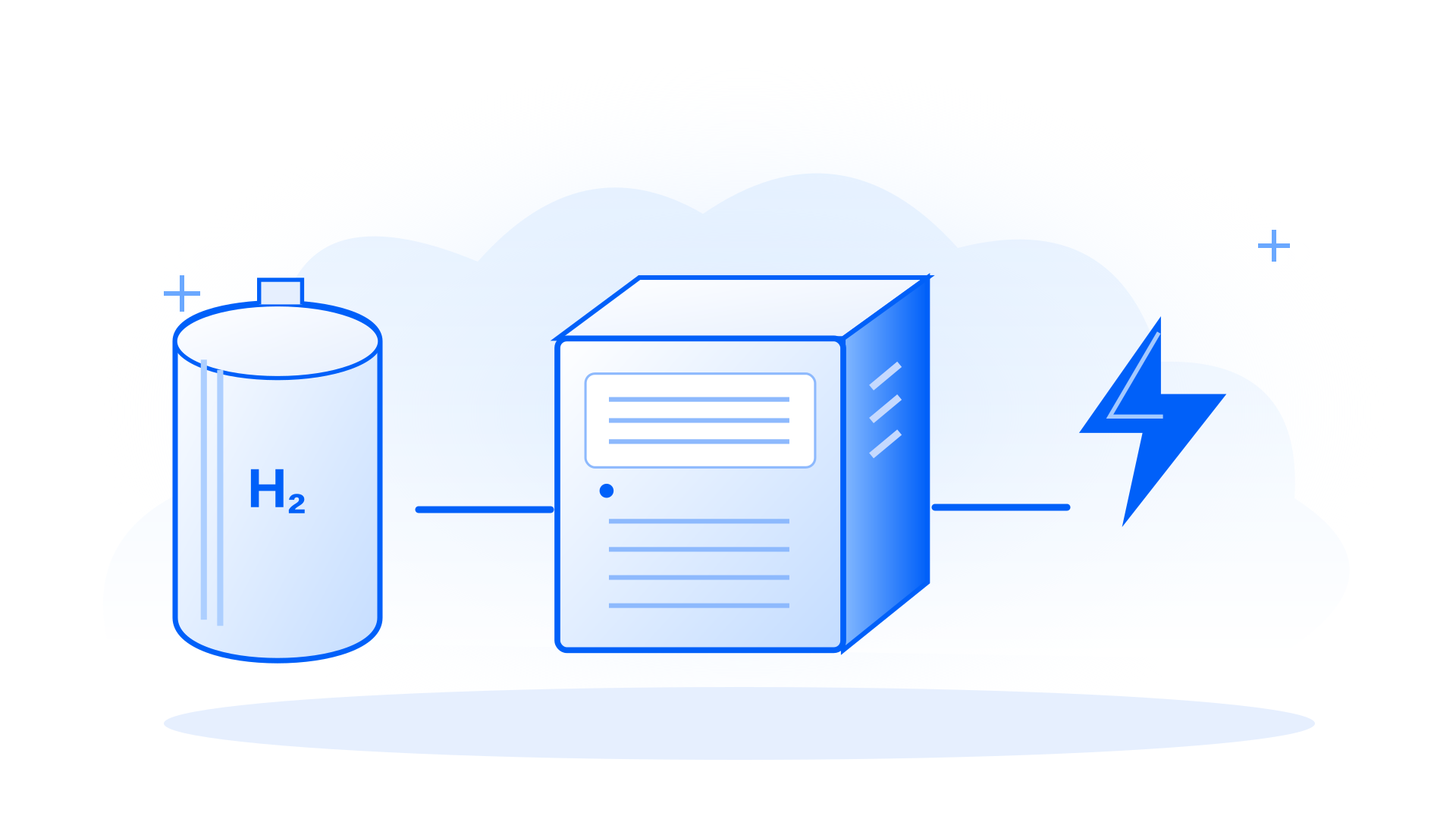 |
Hydrogen is not a magic source of cheap electricity. Its value is different: energy can be stored as a fuel and converted into electricity where and when it is needed. For AI infrastructure, that makes hydrogen particularly relevant for resilient backup power - and potentially, over time, for lower-carbon onsite generation.
HYDROGEN | FUEL CELL | ELECTRICITY | DATA CENTER | AI |
PEM FUEL CELLS • Hydrogen-focused • Fast response • Strong fit for backup power • Potential diesel replacement | SOLID OXIDE / SOFC • Continuous stationary power • Can use multiple fuels • Strong onsite-generation fit • Hydrogen-compatible pathway |
REAL-WORLD SIGNAL Microsoft demonstrated a 3 MW hydrogen fuel-cell backup system; Equinix trialed GeoPura hydrogen backup in Dublin in 2026. |
Sources: Microsoft hydrogen fuel-cell backup demonstration; Equinix Dublin hydrogen trial, June 19, 2026.
03 / THE SOLUTION DON'T WAIT FOR | 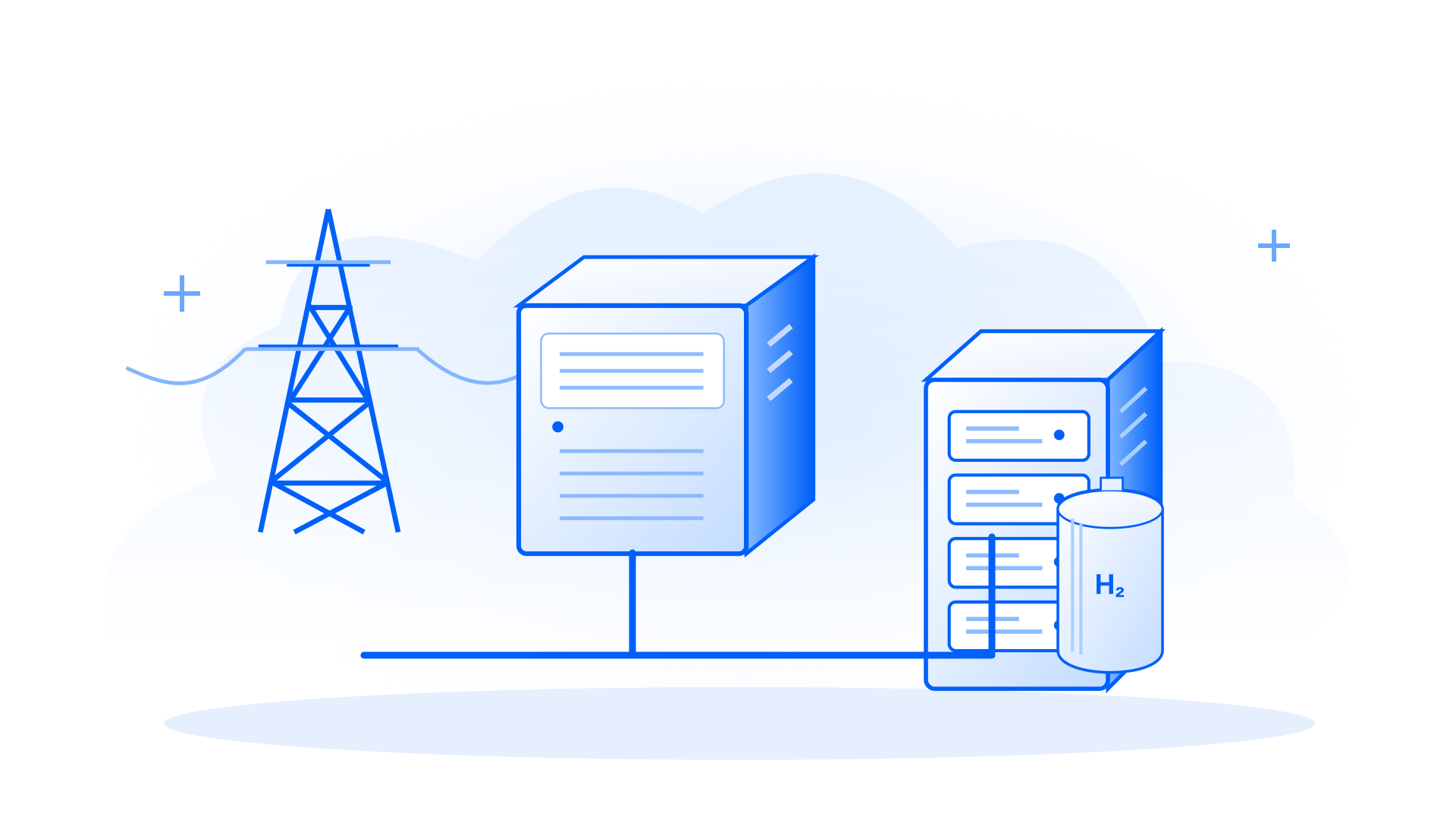 |
The winning architecture may not belong to one technology. The more realistic answer is a power island: a local system that combines grid access with onsite generation, storage and intelligent controls.
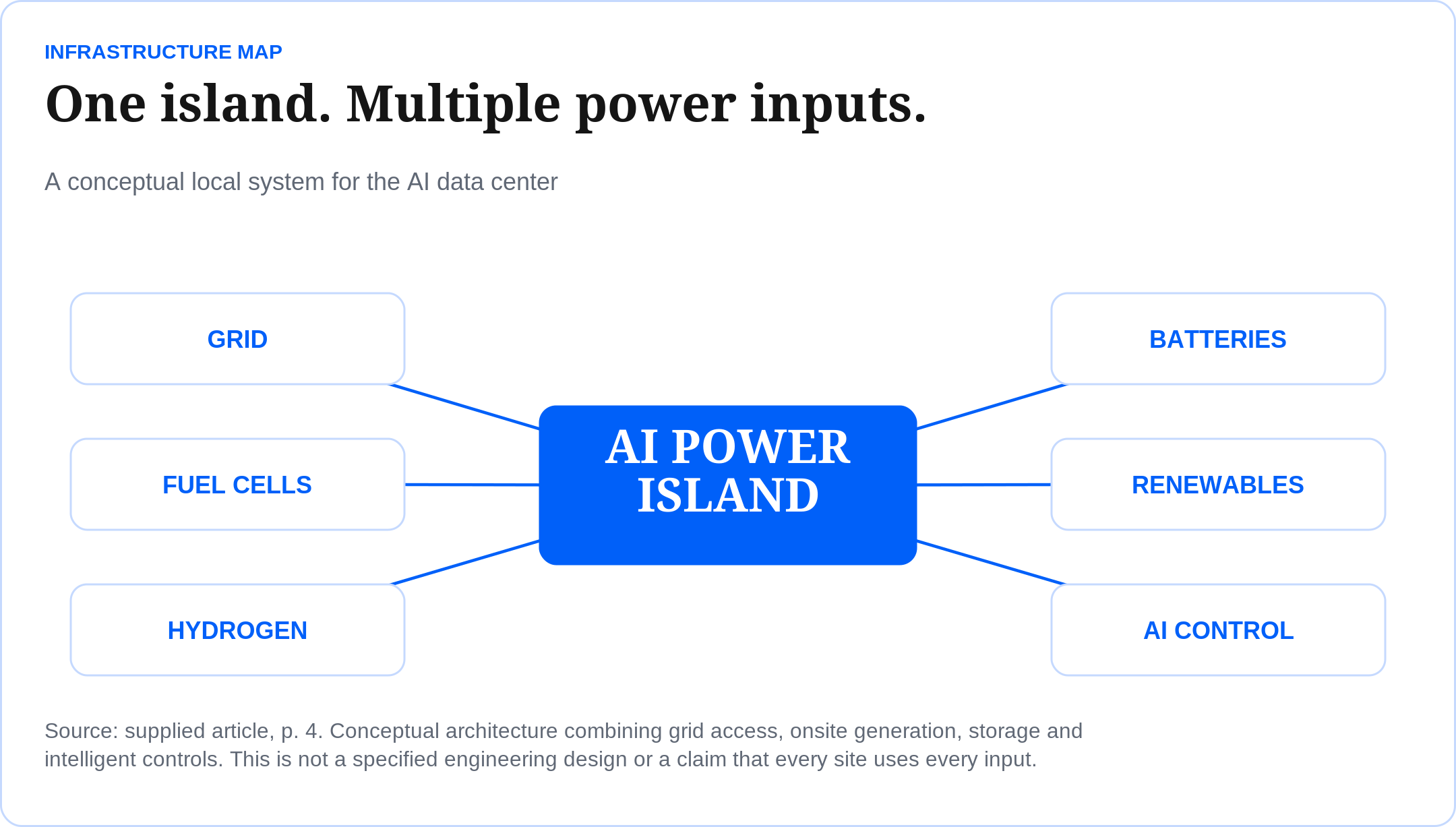
SELL AI-READY POWER. The business case is not simply selling hydrogen. It is delivering reliable megawatts faster. |
The scarce commodity may not be hydrogen. It may be time. |
04 / THEN WE FOUND BLOOM BLOOM ENERGY: | 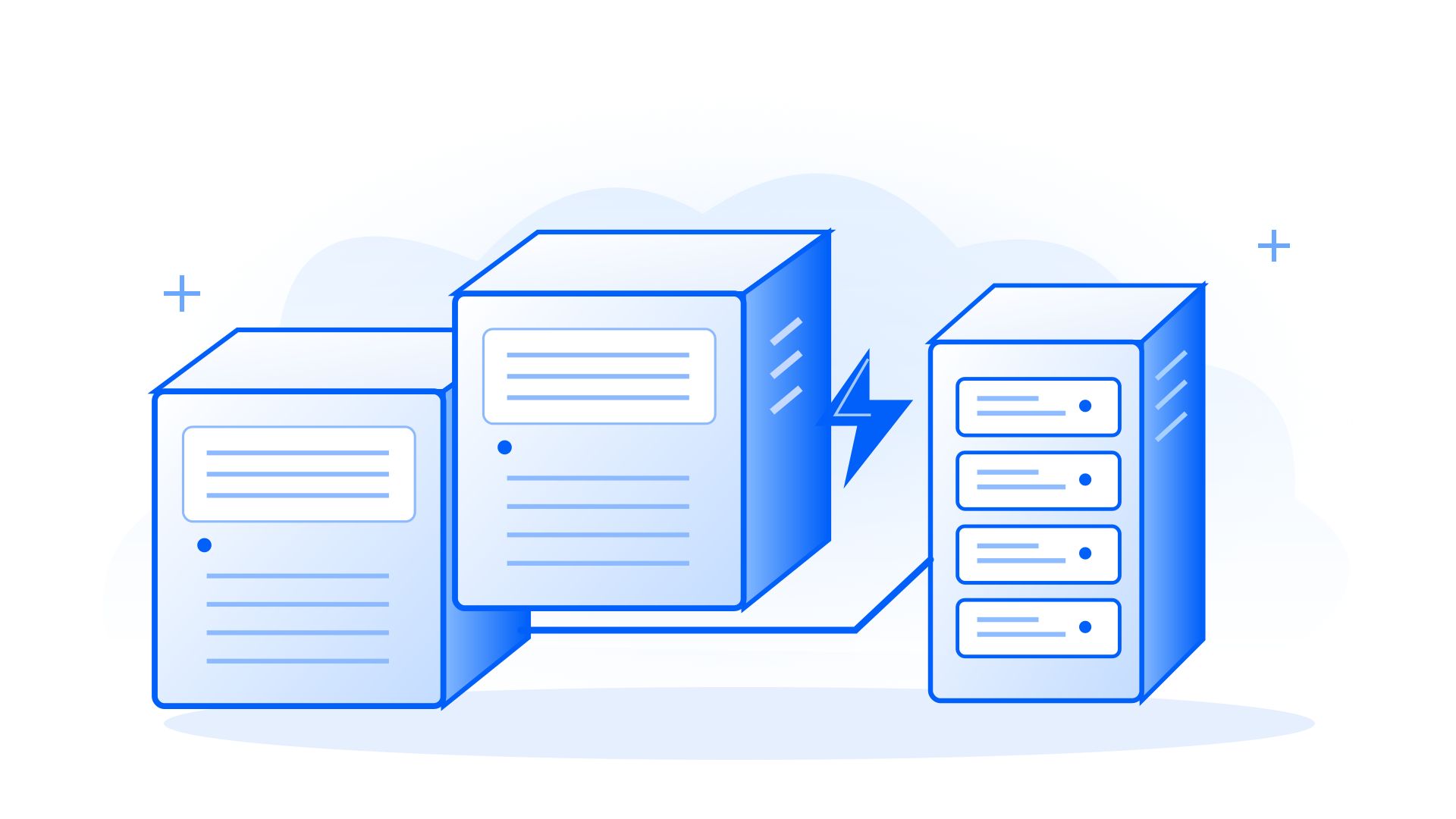 |
Bloom Energy (NYSE: BE) stood out because the AI-power thesis is already visible in large customer commitments and revenue. Its solid-oxide fuel cells provide continuous onsite electricity, reducing dependence on the speed of grid expansion.
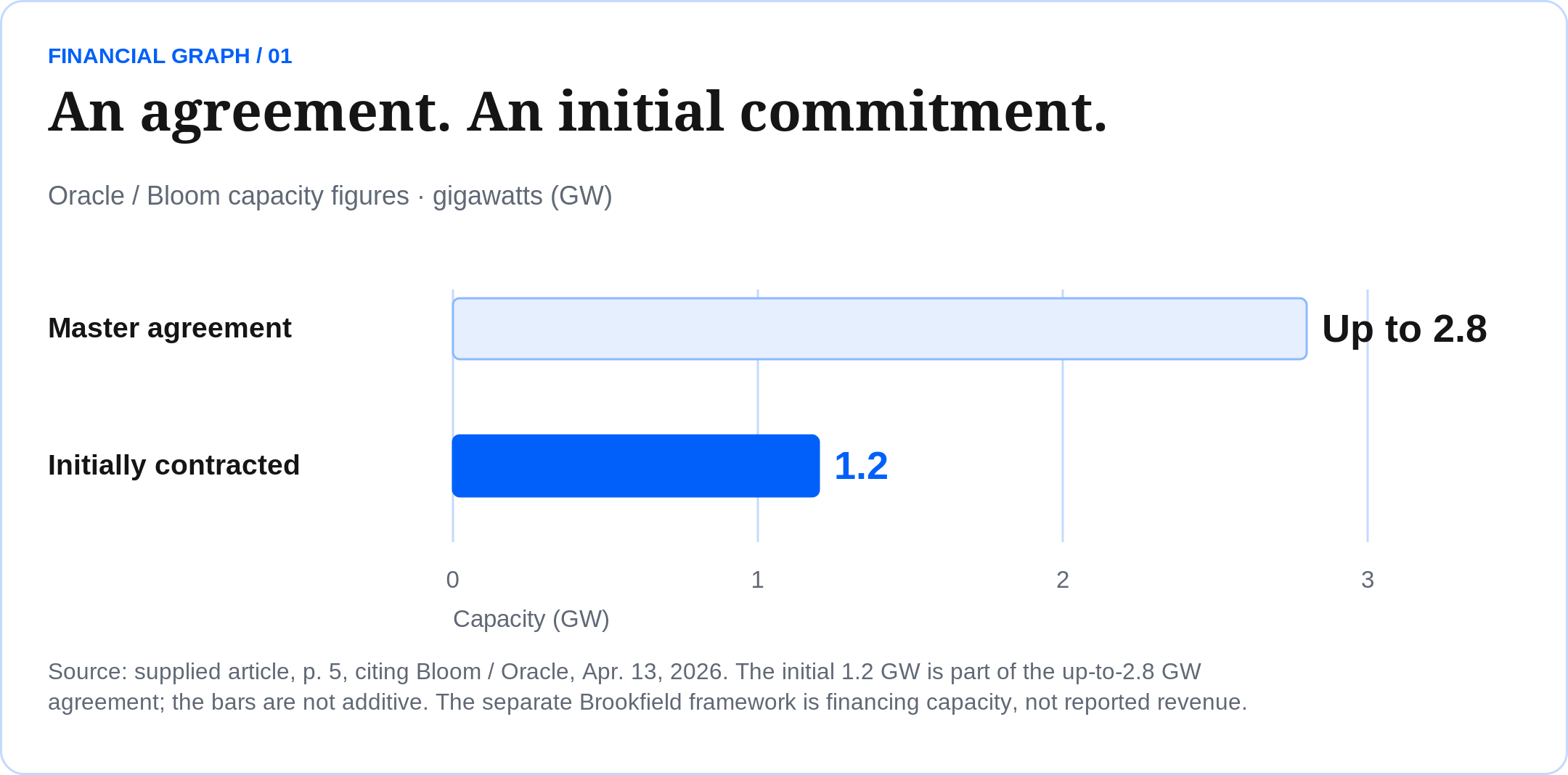
2.8 GW Oracle master agreement Up-to procurement capacity | 1.2 GW initial capacity contracted Part of the 2.8 GW agreement | $25B Brookfield financing framework Up-to framework; not revenue |
Oracle intends to procure up to 2.8 GW of Bloom systems; the initial 1.2 GW is contracted and deploying across U.S. projects. Separately, Brookfield expanded its framework to finance AI-infrastructure power projects using Bloom technology to as much as $25 billion.
THE BUSINESS QUESTION What is one year of lost AI compute worth? |
Sources: Bloom Energy / Oracle, Apr. 13, 2026; Bloom Energy / Brookfield, June 30, 2026.
05 / FROM POWER PLANT TO GPU 800V DC: | 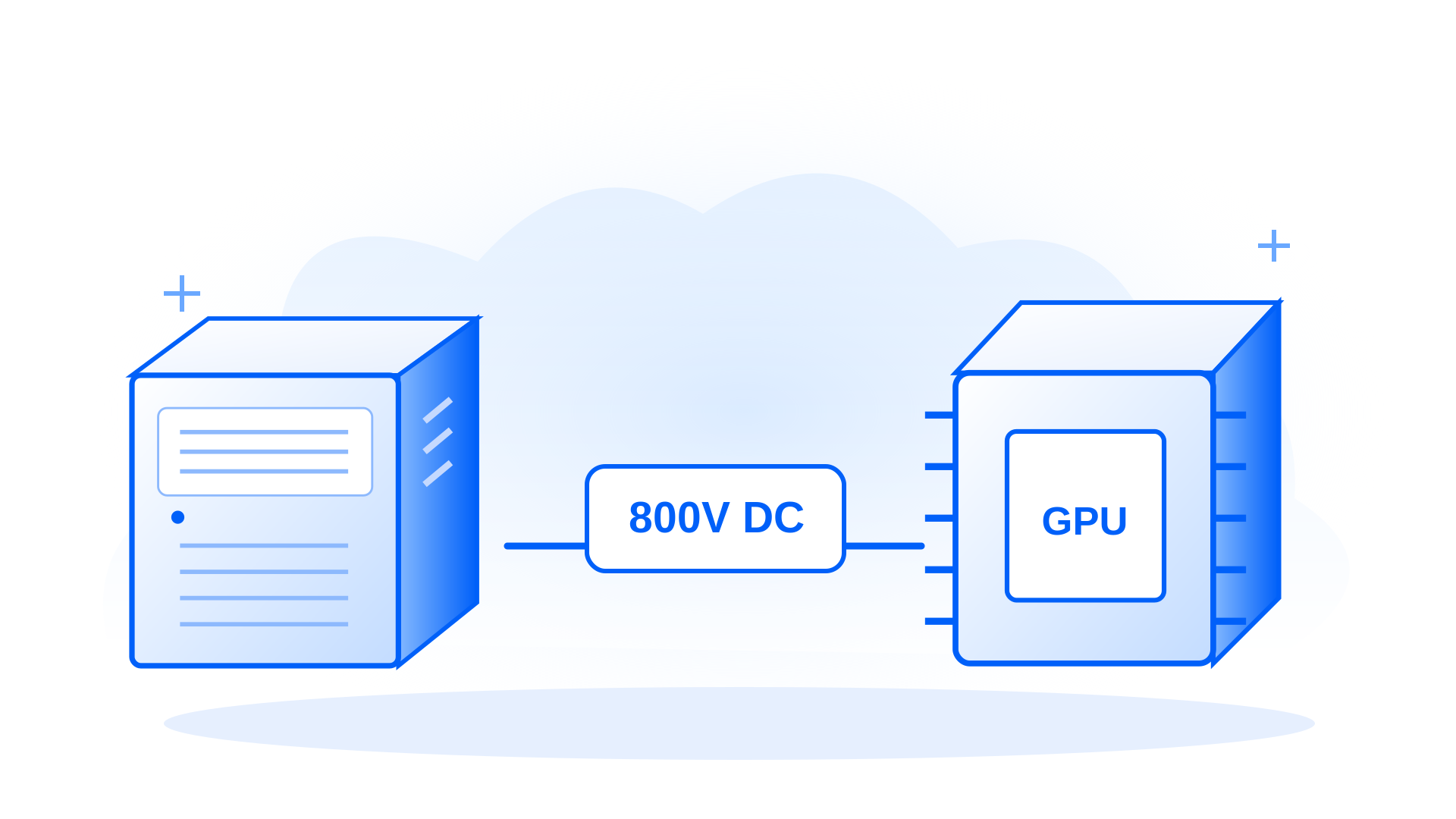 |
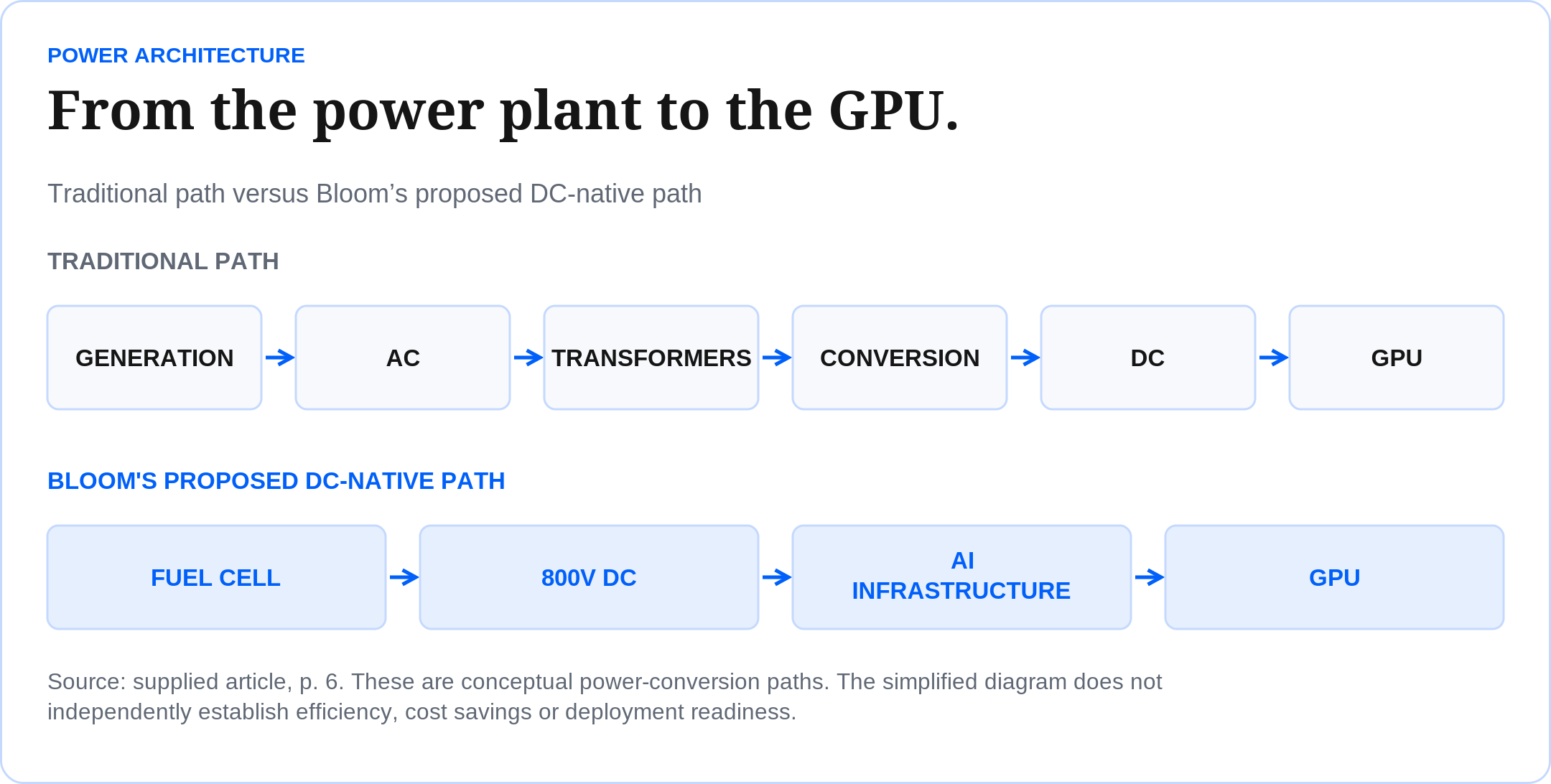
Fuel cells naturally produce DC electricity. That matters because AI compute ultimately consumes DC, while conventional power systems typically deliver AC and require conversion equipment along the way.
$3.6B / 27%
Bloom-estimated reduction in non-compute CAPEX for a hypothetical 1 GW AI data center; company estimate, not a guarantee.
Bloom also estimates $5.5B / 9% lower five-year TCO in its reference model. Actual economics vary by site.
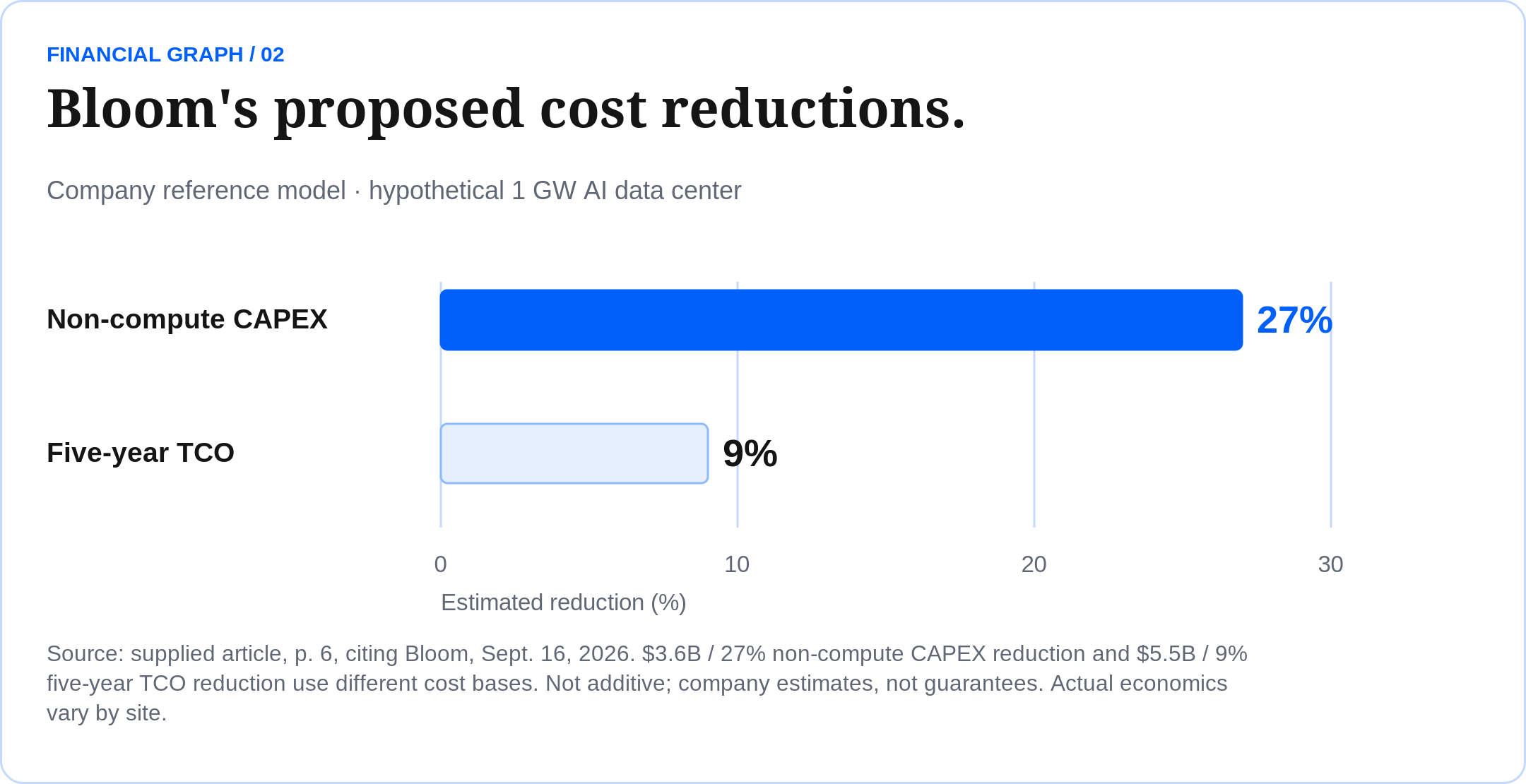
Source: Bloom Energy, “800V DC-Native Power,” Sept. 16, 2026. NVIDIA 800V DC direction cited by Bloom for 2027 Rubin Ultra/Kyber.
|
06 / FOLLOW THE MONEY TECHNOLOGY IS |  |
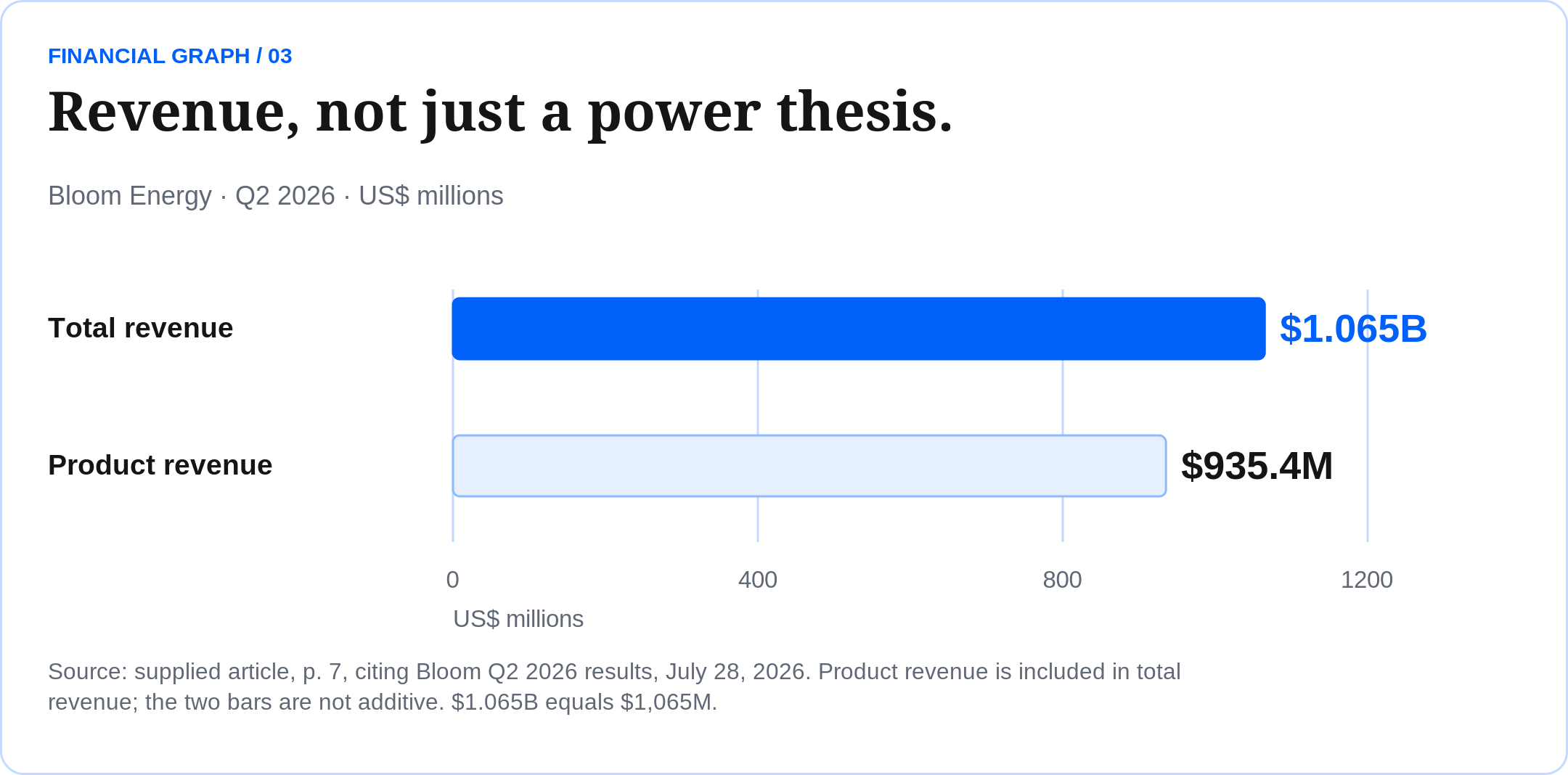
$1.065B Q2 2026 revenue | +165.5% YoY revenue growth | $935.4M product revenue | 34.3% non-GAAP gross margin |
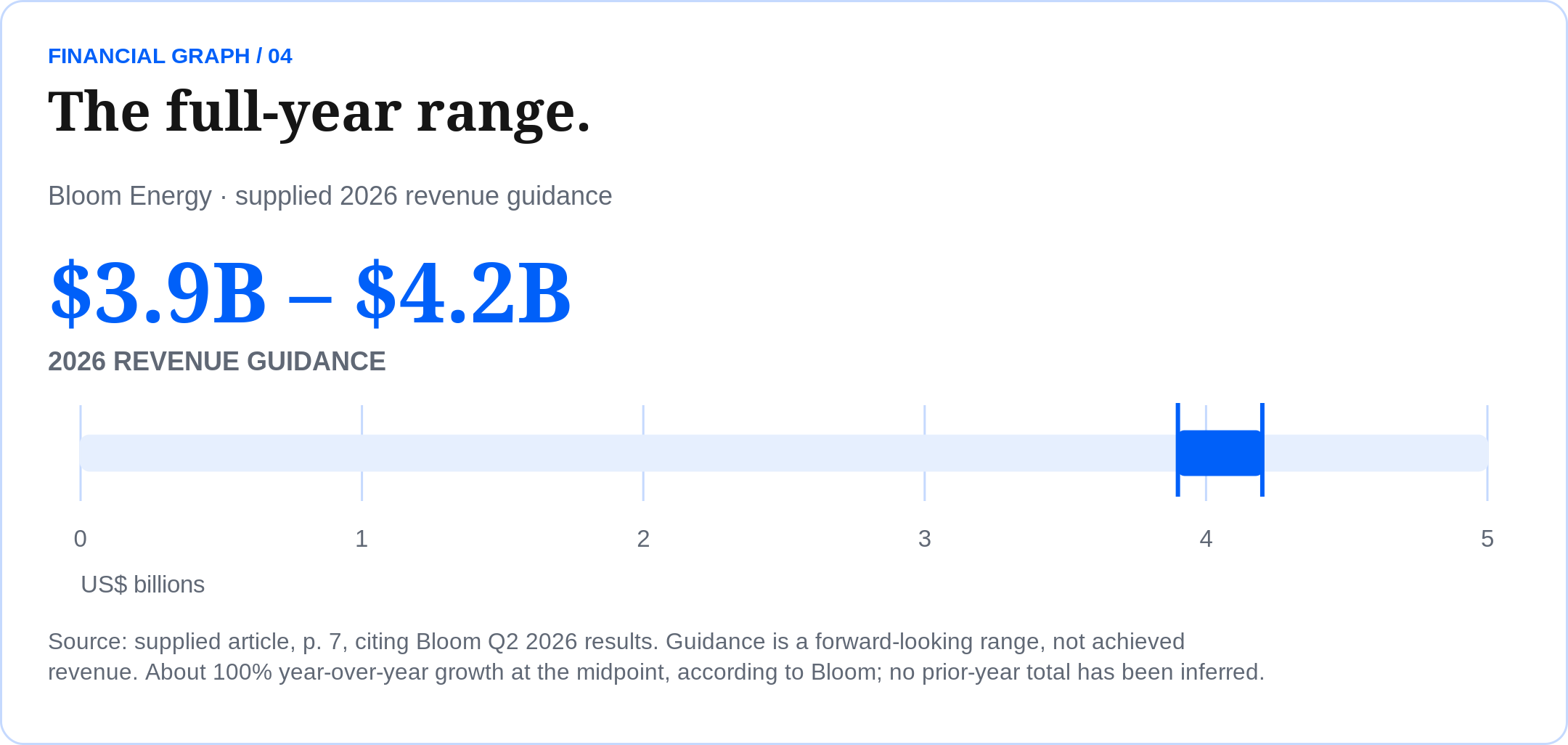
2026 REVENUE GUIDANCE
$3.9B - $4.2B
About 100% year-over-year growth at the midpoint, according to Bloom.
THE CHAIN WE WANT TO SEE
CONTRACTS | DEPLOYMENT | REVENUE | CASH FLOW |
The thesis becomes stronger only if commercial demand keeps moving through this chain. |
Source: Bloom Energy Q2 2026 results, July 28, 2026; SEC-filed earnings release.
07 / 5 HYDROGEN TICKERS FIVE TICKERS AROUND | 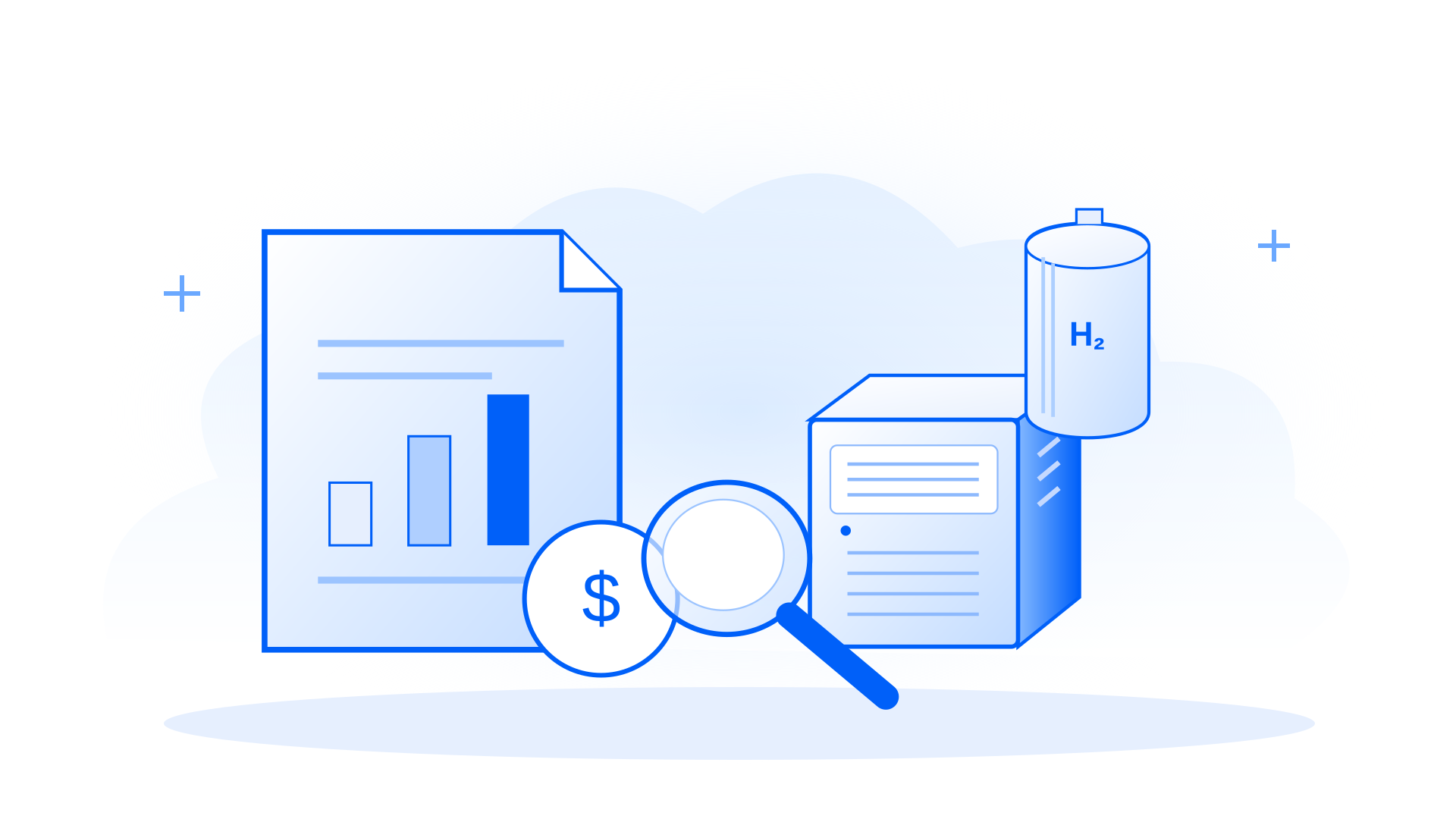 |
Hydrogen is not one trade. Some companies sell fuel cells, some build hydrogen ecosystems, and some provide the industrial infrastructure behind the molecule. For this edition, we separate the names by what they actually bring to the theme.
BE | BLOOM ENERGY AI POWER / SOFC Primary TIC research focus: hyperscale onsite power + DC-native architecture |
FCEL | FUELCELL ENERGY STATIONARY POWER High-risk watch: data-center pipeline and behind-the-meter generation |
BLDP | BALLARD POWER PEM HYDROGEN Hydrogen watch: GeoPura adds stationary power + H2-as-a-service |
PLUG | PLUG POWER H2 ECOSYSTEM Speculative watch: hydrogen production + PEM backup-power capability |
APD | AIR PRODUCTS H2 INFRASTRUCTURE Diversified exposure: major hydrogen supply network + NEOM green H2 project |
THE INVESTOR CALL - OUR RESEARCH FOCUS
BE / BLOOM ENERGY
For this AI-power thesis, BE has the clearest current chain:
CUSTOMER | SCALE | DEPLOYMENT | REVENUE |
Research focus is not a personalized buy recommendation. FCEL, BLDP and PLUG carry materially different execution and financing risk; APD is diversified.
Sources: Bloom Energy; FuelCell Energy Q3 2026; Ballard/GeoPura Aug. 2026; Microsoft/Plug; Air Products investor materials.
THE INVESTOR CALL CONCLUSION HYDROGEN MAY FINALLY | 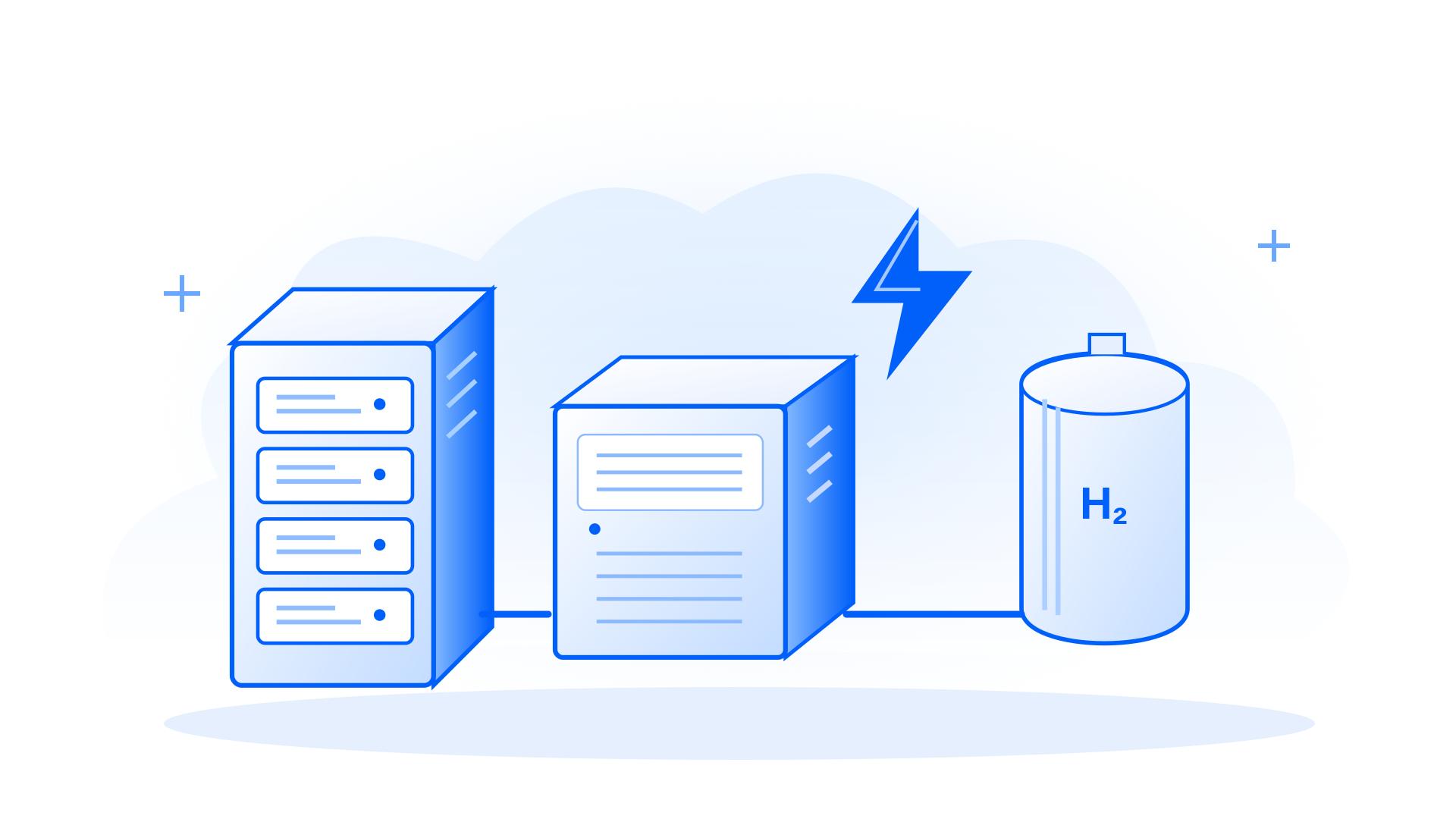 |
For years, hydrogen was searching for the right market. Meanwhile, AI was searching for electricity. Now those worlds are beginning to meet. The first AI boom belonged to the chips. The next chapter may increasingly belong to the infrastructure that keeps those chips running.
Every AI model begins with data.
Every AI chip begins with silicon.
But none of them does anything until somebody turns the power on.
HYDROGEN JUST FOUND ITS BIGGEST CUSTOMER: AI. |
RESEARCH THE TICKER ON YOUR PLATFORM
| FIDELITY - BE | CHARLES SCHWAB | TIGER TRADE - BE |
The Investor Call provides market research and commentary for informational purposes only. This publication is not personalized investment advice. Company estimates and forward-looking statements are identified where relevant; investors should verify current filings and conduct independent research.
|
 RESEARCH THAT MATTERS. INSIGHT YOU CAN TRUST. www.theinvestorcall.com |  |
