AI / MARKETS / AGENTIC AI | SEPTEMBER 22, 2026 Wall Street did not rediscover AI overnight. It saw something more useful: evidence that people may actually use it at scale. Monday was not a quiet rebound. The Nasdaq Composite rose 2.3% to a record close. Meta jumped 11.4%. Arm climbed 17.2%, Intel 12.1% and AMD 10%. The Philadelphia Semiconductor Index gained 4.3%. AMD also closed above a $1 trillion market value for the first time. One consumer product sat near the center of the excitement: Meta's Muse AI agent. Its rapid rise to the top of Apple's U.S. free-app chart gave investors a tangible signal that agentic AI may be moving from demonstration to everyday behavior. That distinction matters. The market has spent years pricing the promise of artificial intelligence. Monday's move was about a different question: what happens when AI stops being something we test and starts becoming something we use? THE INVESTOR CALL The next phase of AI may be measured less by what a model can say - and more by how often people ask it to act. |
The important part of Muse is not another chatbot. It is the possibility that AI agents become a new layer between people and the digital world. WHY MUSE MATTERS Muse is designed to do more than answer questions. Reports describe it handling tasks such as email, reservations, travel, forms and shopping. That makes the AI workload more continuous: planning, calling services, checking results and moving between applications. The early reception was enough to change the conversation around Meta's enormous AI spending. Investors have repeatedly asked when infrastructure investment becomes a product that ordinary users actually touch. Muse offered an early, visible example. THE SHIFT TRAINING built the models. INFERENCE runs the models when people use them. AGENTS may multiply those interactions because software can keep working after the initial prompt. |
This is why Monday's reaction spread far beyond Meta. If agents are used frequently and at enormous scale, the infrastructure behind them has to respond. That means processors, memory, networking, servers, power and data-center capacity. The excitement moved from the app on the phone to the machinery underneath it. One successful launch does not prove the size of the eventual market. But it gives investors something they have been demanding from AI: observable adoption. |
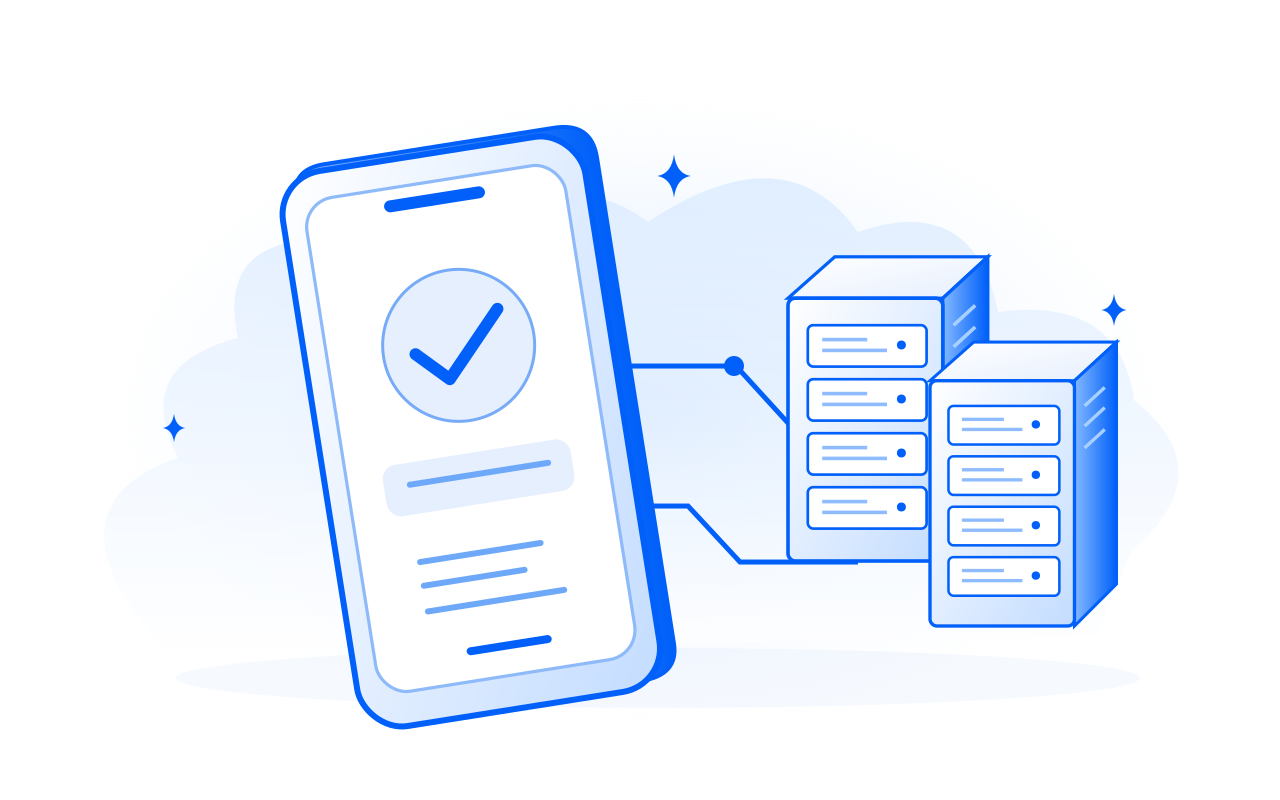
AI agents do not live in the phone. Every useful action can create another chain of computation somewhere inside a data center. ARM +17.2% | Architecture at the center of a renewed CPU-demand thesis. |
INTC +12.1% | A sharp move as investors repriced demand for server compute. |
AMD +10.0% | Crossed $1T market value; CPUs and accelerators both matter to AI infrastructure. |
THE CPU IS BACK IN THE AI CONVERSATION The first AI boom trained investors to focus on GPUs. Agentic AI broadens the picture. Training remains accelerator-heavy, but real-world agents can create large inference, orchestration and general-purpose compute requirements. That helps explain why Monday's biggest semiconductor moves were concentrated in CPU-related names. And the stack is wider than CPUs. More usage can mean more high-bandwidth memory, networking equipment, storage, cooling, electricity and physical data-center buildout. The investment question therefore expands from Who has the best model? to Who gets paid every time AI is used? That is a much more interesting question. |
The easy narrative was: add AI to the story and investors will listen. The harder phase is beginning: show the usage, show the economics, show the infrastructure demand. 01 | ADOPTION Are real people or enterprises using the product repeatedly? |
02 | REVENUE Can usage become measurable sales, subscriptions or advertising value? |
03 | COMPUTE Who supplies the processors, memory, networking and systems required to serve that demand? |
04 | CAPEX Who benefits from the enormous buildout - and who must carry the cost? |
05 | EXECUTION Can management turn technical advantage into durable commercial results? |
A rally can tell us where attention moved. It cannot tell us which business ultimately captures the value. |
That is the discipline for this phase: separate excitement from evidence. Monday's market gave AI investors a reason to look again. The next earnings reports, usage data and infrastructure orders will tell us whether that attention becomes a durable trend. Not a shopping list. A map of where the next evidence may appear. META | Can Muse turn early adoption into sustained engagement and monetization? | AMD | Can its server CPU and accelerator momentum translate into continued data-center growth? | INTC | Does the renewed CPU-demand narrative show up in orders, utilization and margins? | ARM | How much value can its architecture capture as agentic workloads expand? | NVDA | Does broader AI usage keep expanding the accelerator ecosystem rather than simply shifting spend? | MU | Does AI-driven memory demand remain strong as inference scales? | MRVL | Do networking and custom silicon become a larger share of the AI infrastructure story? |
AI DIDN'T COME BACK BECAUSE WALL STREET REMEMBERED THE HYPE. IT CAME BACK BECAUSE THE MARKET SAW DEMAND. |
THE INVESTOR CALL - Understand the market. Then make your own call. |  |
Sources: Financial Times, Sept. 22, 2026; AP, Sept. 21, 2026; Investopedia, Sept. 21, 2026; Bloomberg News, Sept. 21, 2026; company/product reporting summarized by Zacks and The Motley Fool. Market moves refer to the Sept. 21 U.S. session. Prices and market values can change rapidly. This publication is for general information and market commentary only. It is not individualized investment advice, an offer, or a guarantee of future performance. |